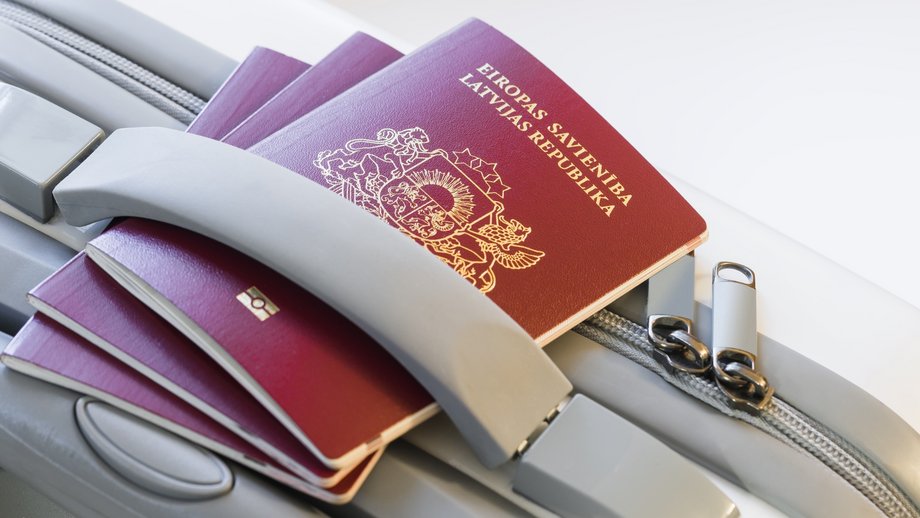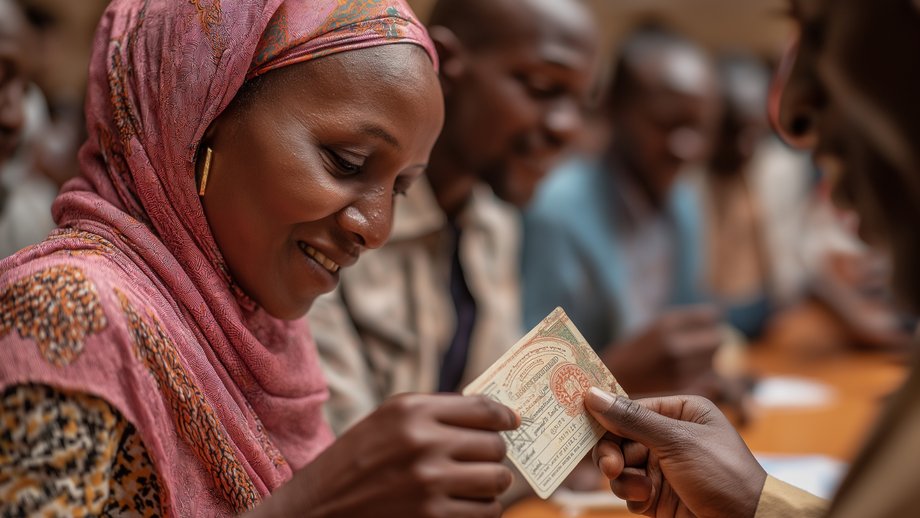
To take one’s core identity for granted is perhaps a marker of privilege. In many parts of the world, citizens are issued the documents that prove who they are – and what they’re entitled to – as a matter of course. A national ID card arrives when it is due. A driving license is acquired when you are old enough and want it. A passport is obtained when a need arises for travel.
It is all quite mundane. This mundanity can sometimes disguise how important a legal identity actually is, and how transformational it can be in different circumstances.
“One might think of a passport as a means to go on holiday,” pointed out Andreas Kuba, Global Head of Sales at Veridos. “But in a different context, it means the route to a better job in a different place, or just a job at all. It can provide access to better healthcare, or is a way to provide for your family remotely. It gives you and your family access to education. A legally issued, managed, and verified identity remains foundational to a better life.”
Bodies and governments globally recognize this pressing need. Indeed, the United Nations has isolated the need for a legal identity as one of its Sustainable Development Goals: SDG 16.9 commits its members to, by 2030, “provide legal identity for all, including birth registration.”1
This is still a goal because 850 million people around the world lack a legal identity,2 which in turn limits their access to social and economic necessities such as food, health, and education. That governments must provide each and every citizen a legal identity is beyond debate.
Yet the form the identity takes – whether physical documents, digital identification, or both – is dictated by global standards, but also by the particular circumstances of each nation. Equally, the identity needs of a country’s citizenry will develop as the nation itself does. When it comes to the provision of legal identity, one size clearly doesn’t fit all.