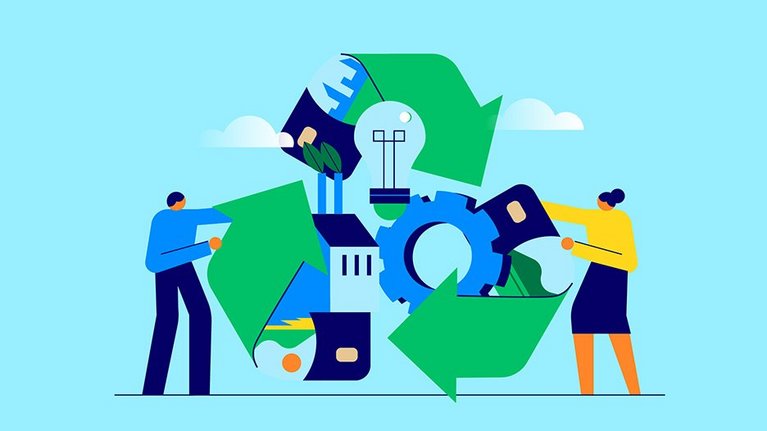
Empowering sustainability at every stage
Embracing a sustainable payment approach involves every part of your customer’s journey, including end-of-life recycling.
Our planet’s resources are strained. By 2030, the combined resources of two Earths won’t be enough to support projected increases in the global population. We must find ways to minimize our environmental impact – before it’s too late.
Waste from plastics pollutes the environment when burned or discarded. Payment cards are an intrinsic part of the relationship that banks and fintechs have with their customers, so reducing or eliminating any waste and moving towards a more sustainable payment card economy can help alleviate banks’ impact on our ecosystem.
However, every bank – and every customer’s – needs are different. We don’t offer a “one size fits all” recycling program. Instead, we work with banks to build an end-of-life recycling program that perfectly aligns with their preferences. From pilot schemes to prototyping, country-specific concerns to custom processes, we can create the ideal scheme, no matter how complex the requirements.
Protecting our planet from avoidable mistreat
Every year, millions of expired payment cards are carelessly discarded, often ending up in landfills and contributing to environmental degradation. These cards, composed of various non-biodegradable materials, pose a serious threat to our planet. Answering the call from society and from banks, we are actively collaborating with banks and financial institutions to launch more affordable, sustainable payment card solutions and explore alternatives. By repurposing these materials, we are not just reducing waste; we are actively participating in the fight for a more sustainable future.
Why end-of-life recycling matters


Meeting the challenges of an eco-conscious payment card strategy
Knowledge
Leveraging partners' expertise, from material selection to manufacturing and logistics, can help overcome the challenges of creating a sustainable issuance program.

Resources
Not all banks will have the time or capacity required to fully manage adopting a more sustainable approach to issuance. By working with a partner that offers a consultative and collaborative approach, banks can reduce inefficiencies in their current processes.

Compliance
Providers are usually more embedded in the sustainability ecosystem, with contacts across multiple organizations.
Trust
Partnering with the right organization, which already has a significant reputation for sustainable innovation, can quickly help improve the issuer’s brand perception.

Embracing the challenge of complex card recycling
Payment cards, as one of the most convenient and widely adopted payment methods, contain very complex electronics beyond the card body materials themselves. Effective recycling demands specialized methods to safely and efficiently separate and process each material. Thus, G+D must work together with banks and their end-customers to recollect expired payment cards and launch delegated workflows to minimize their impact on the environment and create a lasting positive impact. Banks can also take this as an opportunity to reproduce community-friendly furniture and items that can strengthen their bonds with the local community.
Pledge 2030
Learn how our clients have embraced a sustainable approach in their payment offerings, providing their customers with real, tangible demonstrations of their commitment to making every payment more sustainable:

How we’re improving our sustainability
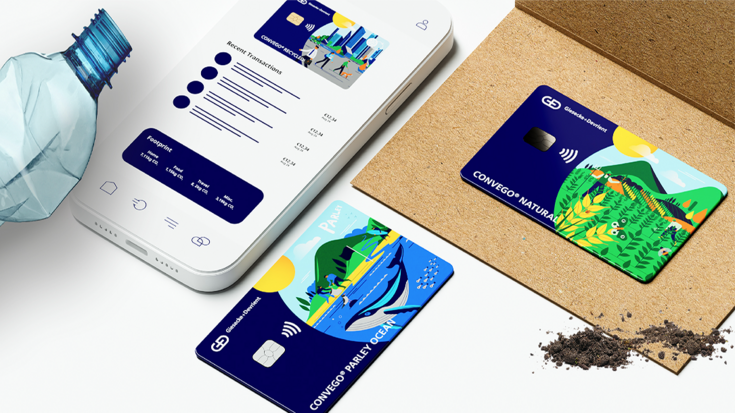
G+D has committed to replacing virgin plastic with more sustainable materials, for all the payment card bodies we produce by 2030. G+D is the first in the payment industry to make such a commitment, and we anticipate that the industry will follow suit.
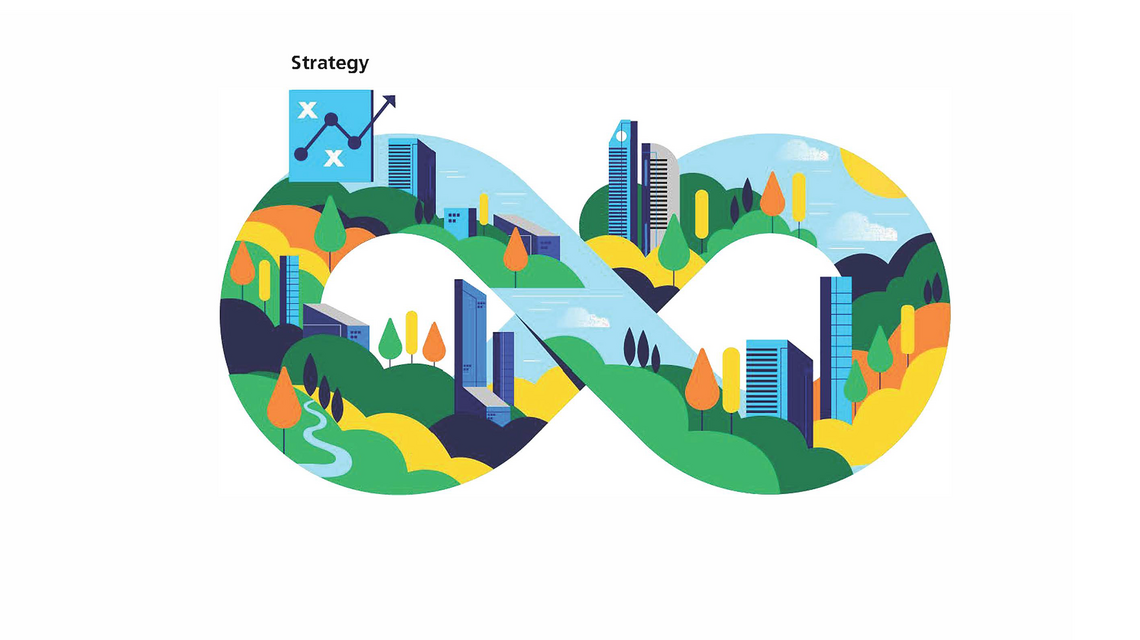
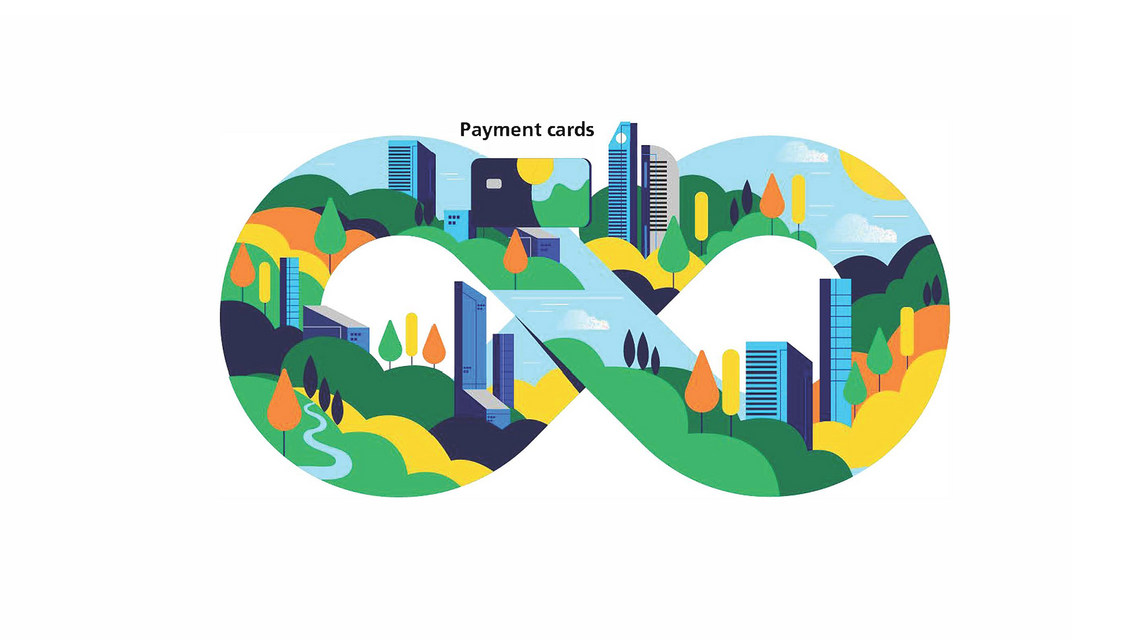
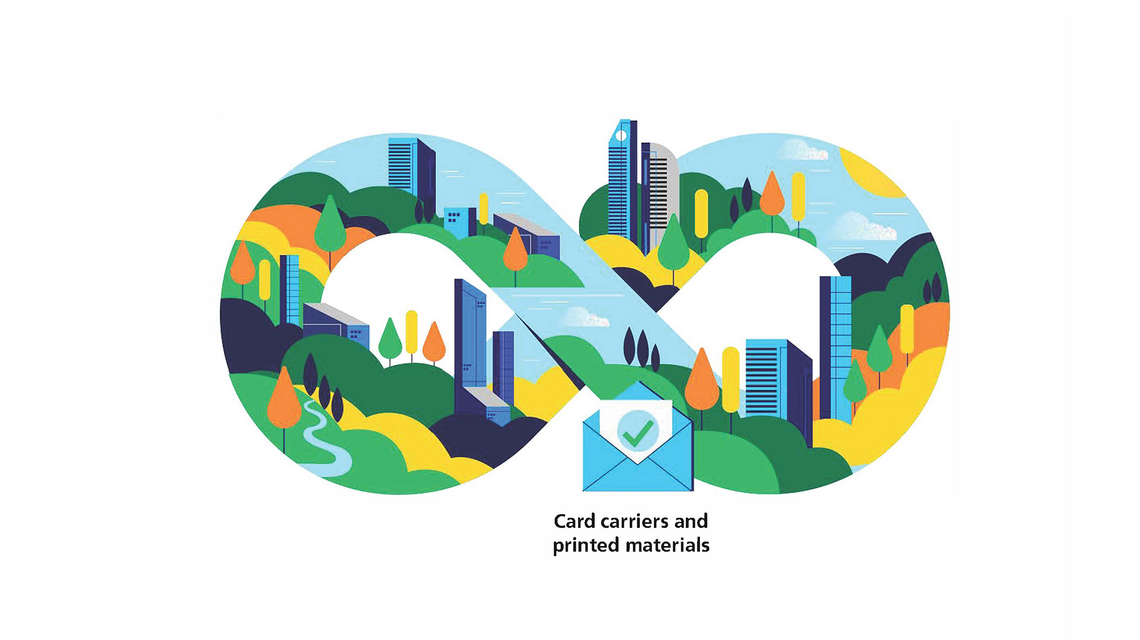
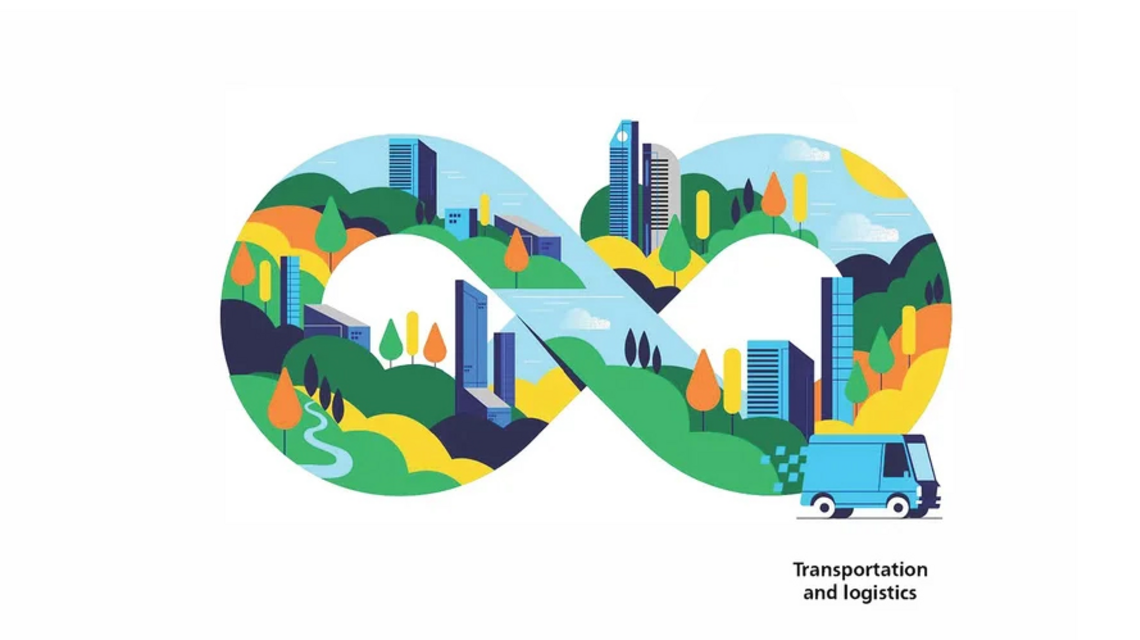
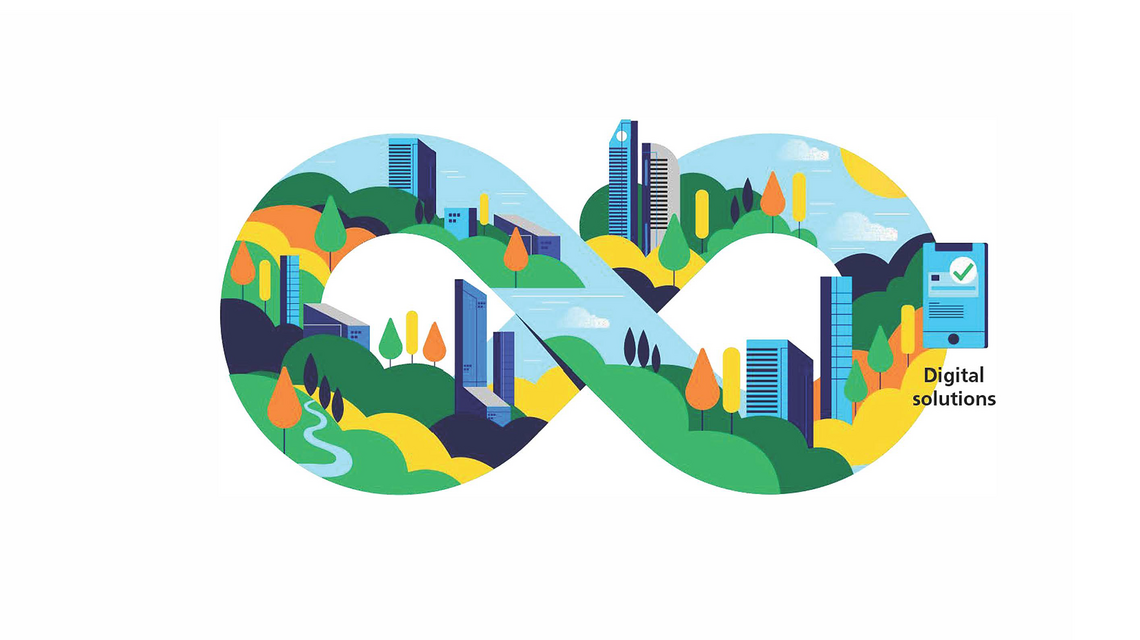
Sustainability at every stage of the payment journey

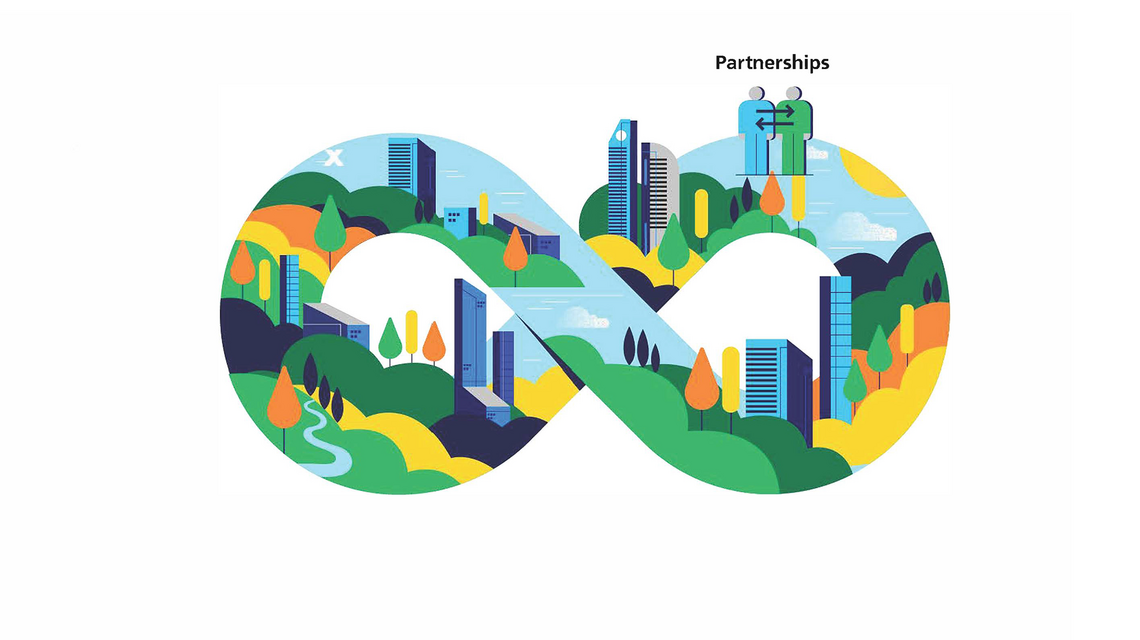
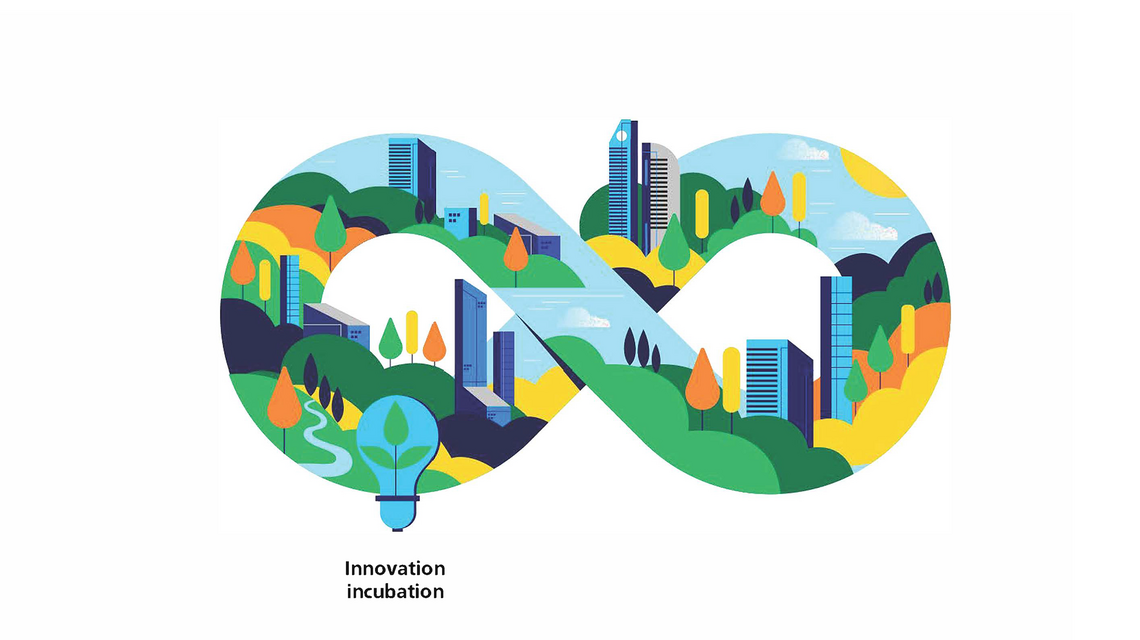
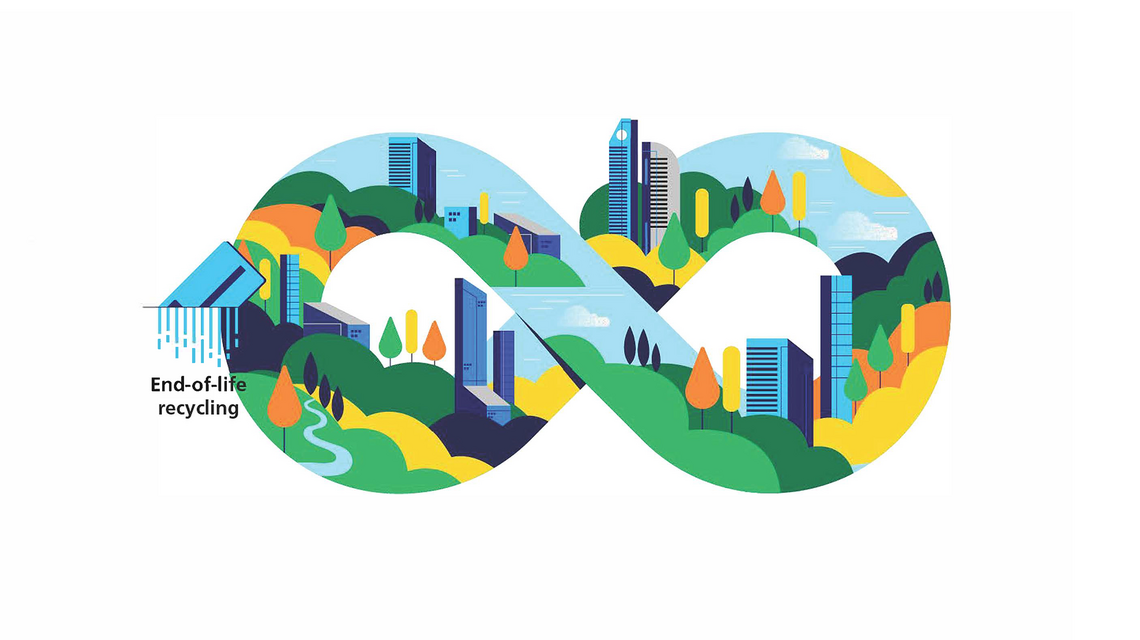
How it works
Our recycling program takes care of every stage of the process, offering various options that make sense for your sustainability strategy and end consumers.
01. End customer education
Choose your education strategy. We'll help you to:
- Encourage your customers to hand back their payment cards.
- Highlight sustainable reasons behind recycling and available return methods.
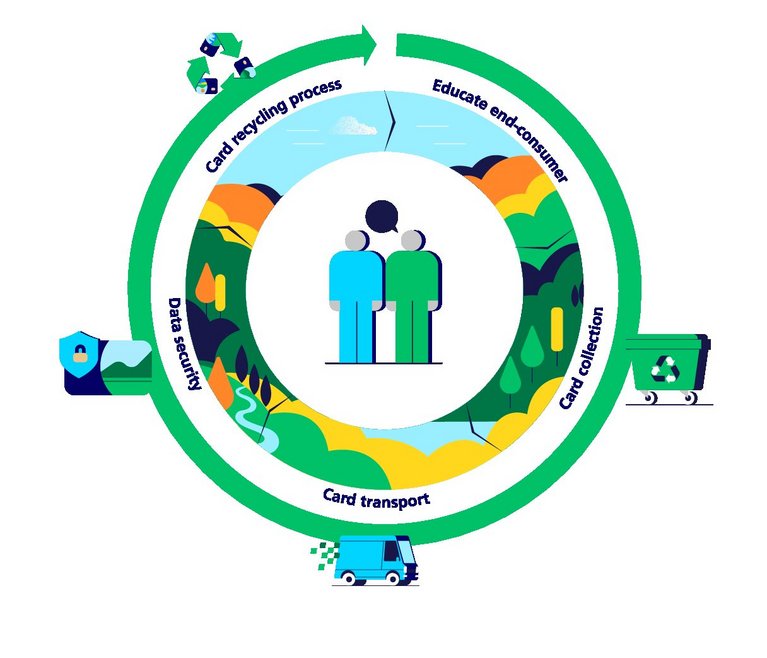
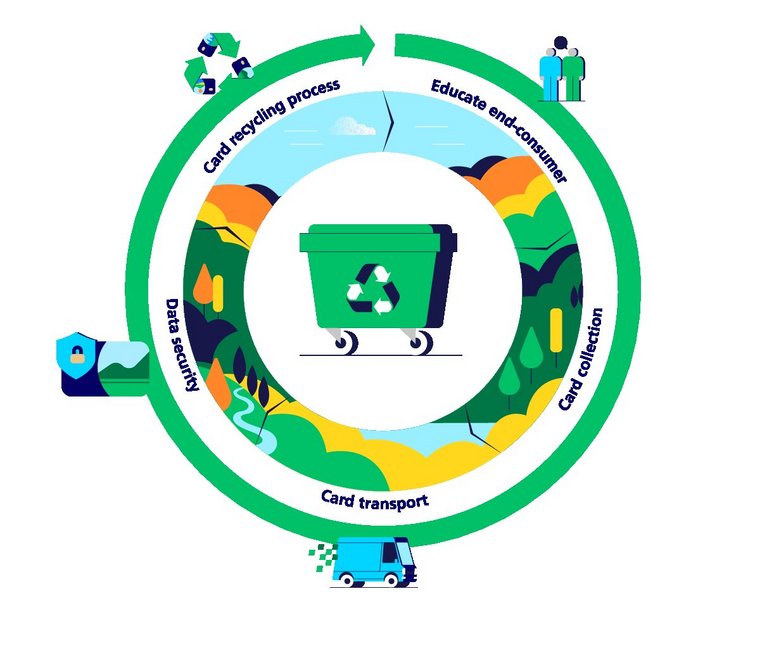
02. Card collection options
We can support you and your customers in collecting expired payment cards:
- Collection boxes, with or without shredding, where customers can drop off their expired payment cards.
- Analysis and evaluation of individual client needs to determine the best collection solution.
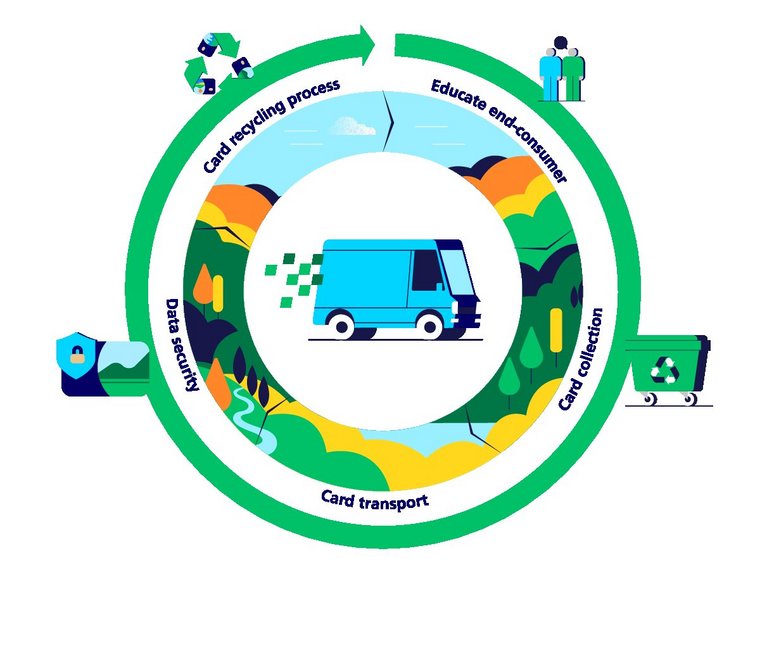
03. Transportation and consolidation
Depending on your situation and logistics setup we can work with you to determine the best methods for securely and efficiently transporting expired payment cards to our recycling partners.
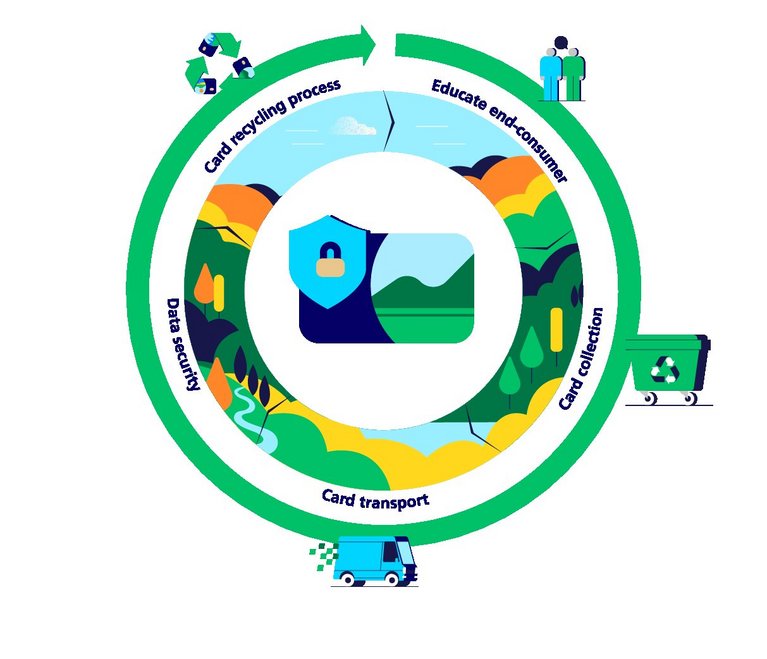
04. Data security
We work to provide a safe, sustainable, and secure recycling and disposal solution tailored to the issuer's geography and specific needs. Customers can choose to have G+D deactivate cards on receipt, and G+D will then shred them to further ensure that physical information from the card itself cannot be stolen and used.
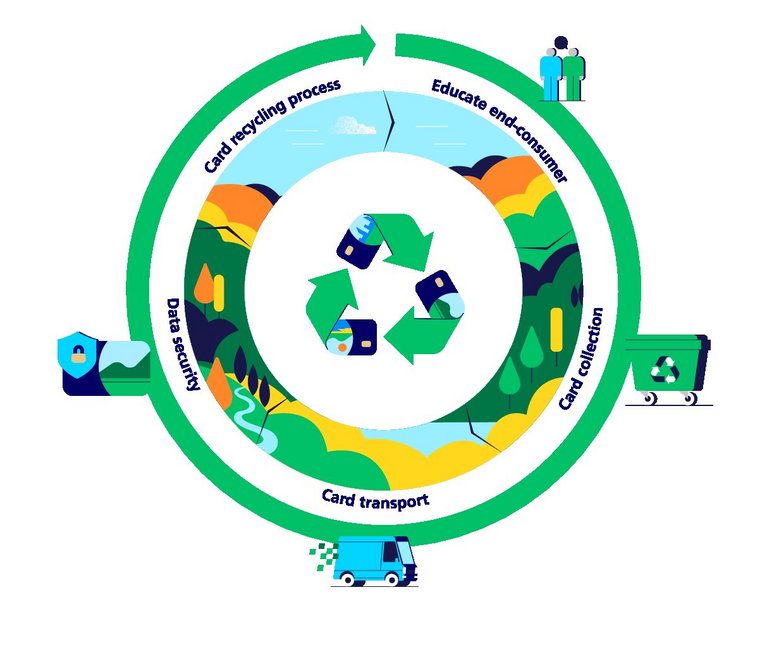
05. Card recycling process
We offer different approaches to how the card is recycled, with certificates to ensure full traceability of the recycled materials:
- Raw materials: The recycled material will be used to make new plastic products in other industries
- Custom products: We work with customers to turn recycled material
into custom products.
The recycling outcome
Once recycled, the plastic from payment cards can be repurposed into a wide variety of objects, for example:

Winning awards while doing good
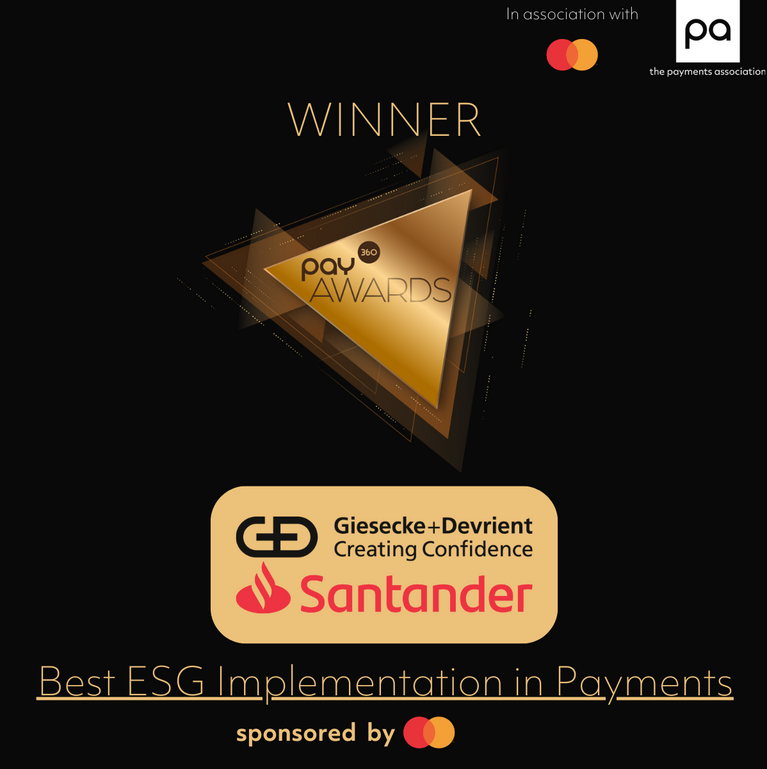
G+D with Santander Spain won the Pay360 Award in the 'Best ESG Implementation in Payments' category.
For the past two years, we've collaborated with Banco Santander to repurpose expired payment cards and combine them with fishing nets collected from the sea and coasts to create urban furniture for local communities. Items such as park benches have been donated to public organizations and placed in public spaces throughout Spain.
Until September 2024, we have produced over 160 benches for the public. We are delighted to receive this award, which highlights our ambition as a global company to support our banking clients and their customers in moving toward a more sustainable future. This initiative shows the positive impact a SecurityTech company like ours can make – not only in payments but also in fostering the development of local communities.
Everything you need to know about end-of-life card recycling
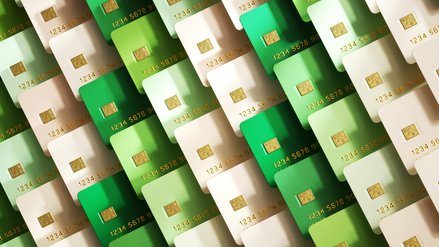
End-of-life payment card recycling services offer new touchpoints for banks to collaborate with their customers to fulfill their sustainability commitments. Together with the manufacturing of cards from recycled materials, this furthers the cause of sustainability along the entire payment journey.
Recycling whitepaper
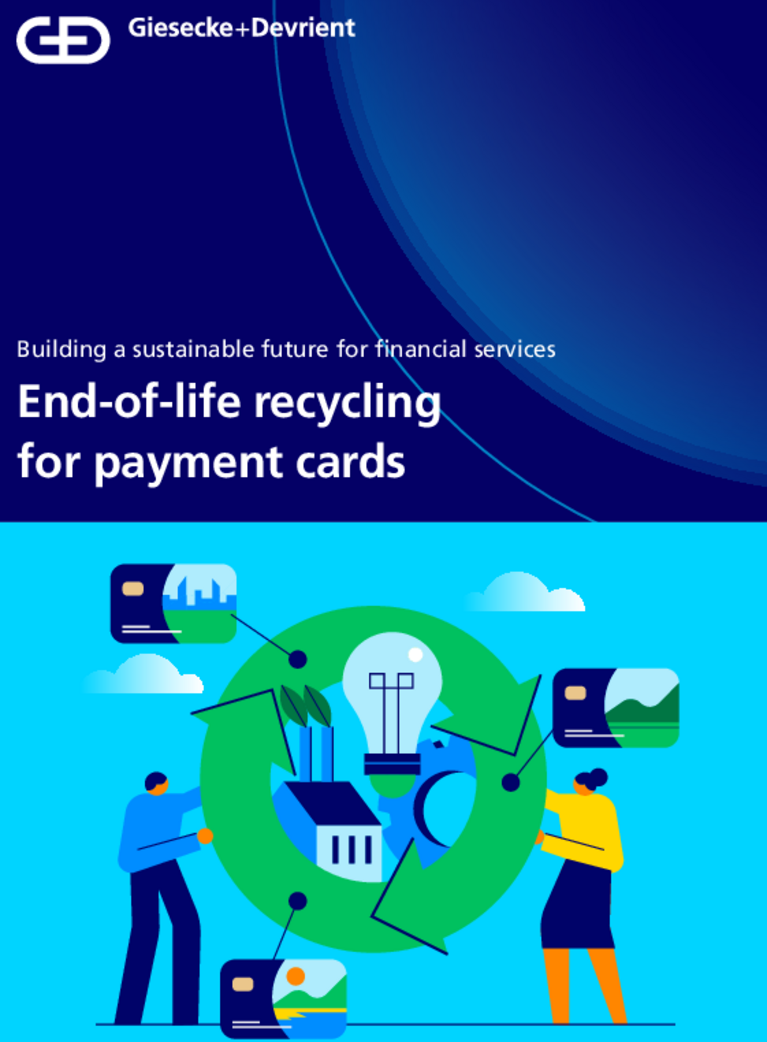
End-of-life recycling for payment cards
For more on how Convego® Beyond: End-of-life recycling can enable your business to contribute towards the sustainable journey, download our latest white paper.
Explore the many ways we can help you to achieve your ESG goals

Get in touch
If you have any questions about our end-to-end business solutions or about our SecurityTech company, seek expert advice, or want to give us your feedback, our team is here to support you, anytime.